Infrastructure on Thin Ice: What Winter Storms Reveal About Our Competence
Welcome back to the blog, and to a continuation of our conversation from the latest episode of World of Payne! In this week's episode, we delved into a concept that underpins everything from our daily commutes to the global economy: trust. We explored how the erosion of trust impacts safety, stability, the cost of living, and the very fabric of our communities. As we discussed, when trust collapses, everything becomes more expensive. This week's blog post takes a closer look at one of the concrete manifestations of this trust deficit, particularly when it comes to governmental competence and the resilience of our nation's infrastructure. We'll be analyzing the disruptions caused by winter storms, using them as a stark case study for how well our systems and our leaders truly perform when the weather turns harsh. For those who want to dive deeper into the themes of trust and competence discussed in this post and in our recent episode, be sure to check out Powder Keg Politics: Storms, the Fed, War Powers—and Minneapolis.
The Unforeseen Consequences of a Whiteout
When the first flakes of snow begin to fall, most of us see a picturesque winter scene. For children, it means a day off school and the promise of snowball fights and sledding. For many adults, it’s an inconvenience, a reason to delay errands, or perhaps a cozy day spent indoors. However, for a significant portion of our population, and increasingly, for our nation as a whole, a severe winter storm is not just an inconvenience; it's a potential crisis. What begins as a seemingly natural meteorological event can quickly expose deep-seated vulnerabilities in our societal structures, revealing how unprepared we truly are for widespread disruption. The visual of a snow-covered landscape can, paradoxically, mask the fragility that lies beneath the surface. This disconnect between the serene visual and the potential for chaos is precisely what we aim to explore. The "unforeseen consequences" are often the most predictable when we fail to adequately prepare. We anticipate snow, we anticipate cold, but do we truly anticipate the cascading failures that follow? This is not a question of if winter will bring storms, but rather, how our systems will weather them when they inevitably arrive.
The reliance of modern society on intricate, interconnected systems means that a disruption in one area can have far-reaching and often unexpected consequences. Think about it: a simple snowfall can lead to power outages, which then impact communication networks, water treatment facilities, transportation, and the supply chains that deliver food and essential goods. The further south a storm hits, or the less accustomed a region is to significant snowfall, the more pronounced these effects can be. Areas that are typically mild can find their infrastructure completely overwhelmed by even a few inches of snow. This isn't just about the physical snow; it's about the lack of preparedness for conditions that, while not entirely novel, are often not prioritized in infrastructure planning and maintenance. The aesthetic beauty of a blizzard can quickly turn into a stark reminder of our collective shortcomings when basic services falter. It’s a powerful, albeit often harsh, test of our societal resilience.
Winter Storms as a Mirror: Reflecting Infrastructure Vulnerabilities
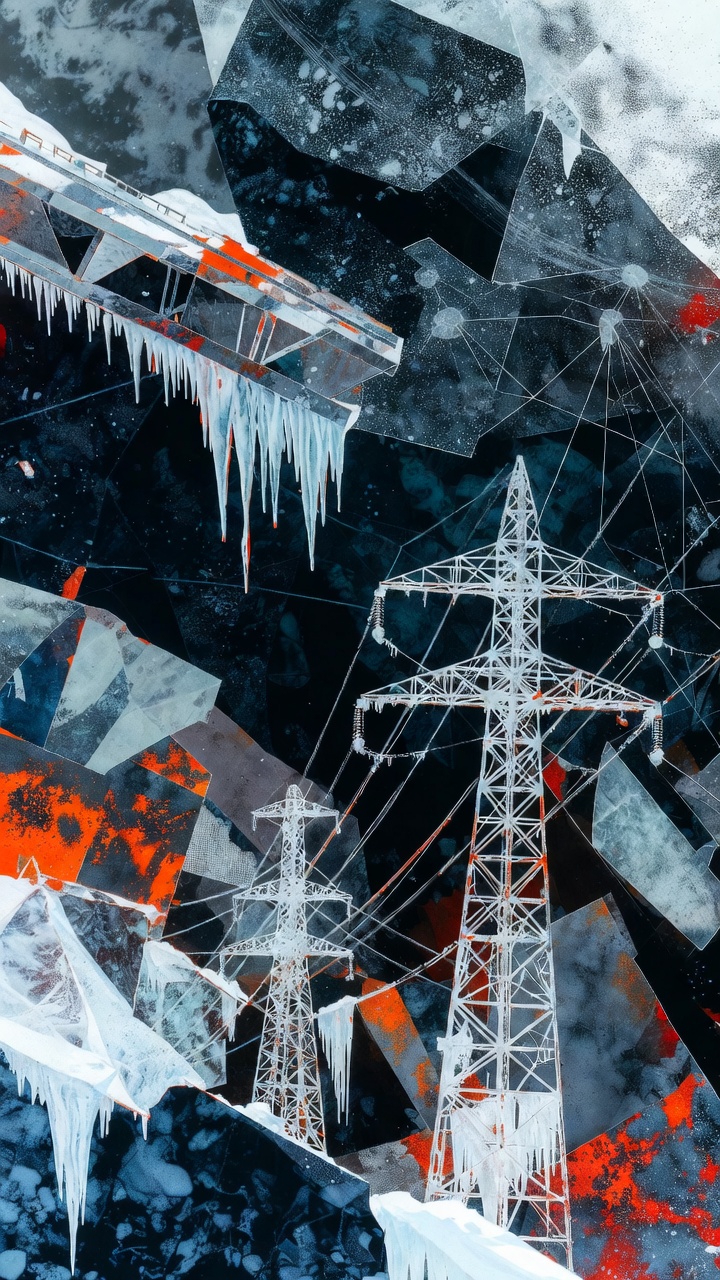
Winter storms act as an unforgiving mirror, reflecting the strengths and, more often, the weaknesses of our infrastructure. From aging power grids to inadequate road maintenance, the harsh realities of severe weather expose the cracks in the foundation of our modern lives. We see this in the widespread power outages that leave millions in the dark and cold, highlighting the vulnerability of an electrical system often built decades ago and struggling to keep up with demand and changing weather patterns. The freeze-thaw cycles can wreak havoc on roads and bridges, leading to potholes and structural damage that can take months or even years to repair. The efficiency of our transportation networks, so crucial for commerce and daily life, grinds to a halt when roads are impassable and public transit systems are paralyzed. Even seemingly simple things like ensuring access to clean water can become a challenge when treatment plants lose power or pipes freeze and burst. These are not abstract problems; they are tangible failures that directly impact the lives and livelihoods of citizens. The sheer scale of these failures during a storm suggests that these are not isolated incidents but systemic issues that have been allowed to fester.
Beyond the immediate physical infrastructure, winter storms also expose the vulnerabilities in our preparedness and response mechanisms. Emergency services can be stretched to their breaking point, with first responders struggling to navigate impassable roads and respond to a surge in calls. Shelters may be inadequate, and communication systems can fail, leaving citizens isolated and uninformed. The ability of government agencies to coordinate effectively during a crisis is put to the ultimate test. Are there clear plans in place? Are resources readily available? Is there effective communication between federal, state, and local authorities? The answer, all too often, is a resounding no. These storms, therefore, are not just about snow and ice; they are about the complex web of systems that support our society and how well those systems are maintained, updated, and prepared for the inevitable challenges nature throws our way. The reflection we see in the storm-laden window is often a sobering one, showing us exactly where we have fallen short in safeguarding our collective well-being. It is a visceral reminder that our comfortable reliance on modern conveniences is only as strong as the infrastructure that supports them, and that infrastructure, like everything else, requires constant vigilance and investment.
Competence Under Scrutiny: Who Fails When the Snow Falls?
When the snow stops falling and the immediate crisis begins to subside, the inevitable questions arise: Who is responsible? Who failed? The answer, unfortunately, is rarely a single entity. The competence of governmental bodies, from local municipalities to federal agencies, is put under an intense microscope during winter storms. We see a spectrum of failures: lack of foresight in infrastructure investment, inadequate emergency preparedness plans, slow and uncoordinated response efforts, and a general disconnect between the needs of the public and the actions of those in power. Are our elected officials and public servants truly equipped to handle such widespread disruptions? Do they possess the foresight to anticipate these challenges and the practical knowledge to implement effective solutions? The common narrative often centers on underfunding and a lack of resources, which are undoubtedly significant factors. However, we must also confront the issue of competence itself – the ability to strategically allocate resources, to plan effectively, to communicate clearly, and to adapt to unforeseen circumstances. When power lines are down for days, roads remain impassable for weeks, and essential services are unavailable, it is a clear indication that something is fundamentally amiss in our governmental operations.
The blame game is an unfortunate but predictable outcome of such widespread failures. Politicians may point fingers at each other, at external factors, or at the sheer magnitude of the event. However, a truly competent system would have contingency plans that account for extreme weather events. It would involve proactive maintenance of infrastructure, regular drills and exercises for emergency responders, and clear lines of communication and authority. The public often feels abandoned, left to fend for themselves as they witness what appears to be a breakdown in essential services. This erosion of public trust, which we discussed at length in our recent podcast episode, is a direct consequence of perceived incompetence. When citizens cannot rely on their government to provide basic safety and services during a crisis, their faith in the system begins to crumble. The snowstorm, in this context, becomes a high-stakes examination of governmental capacity. It forces us to ask whether our leaders are merely reacting to crises or actively working to prevent them, and whether they possess the genuine skills and dedication to serve the public effectively when it matters most. The answer to these questions often dictates the level of trust we place in our institutions, a currency that, as we know, is becoming increasingly devalued.
The Ripple Effect: How Storm Disruptions Impact Daily Life and the Economy
The impact of a severe winter storm extends far beyond the immediate inconvenience of shoveling snow or being stuck at home. The ripple effect of these disruptions can be profound, touching virtually every aspect of daily life and significantly impacting the economy. Consider the supply chain: if roads are closed and transportation networks are crippled, goods cannot be delivered to stores. This leads to shortages of essential items like food, medicine, and fuel, creating further panic and hardship. Businesses that rely on regular deliveries or have employees who commute to work can suffer significant losses due to closures and reduced productivity. For individuals, the economic impact can be equally severe. Many hourly workers miss paychecks when they cannot get to work. Small businesses, already operating on thin margins, can be pushed to the brink of failure. The cost of repairs to homes and infrastructure can be substantial, often falling directly on homeowners and taxpayers. Beyond the tangible economic costs, there is also the significant human cost: stress, anxiety, and the disruption of family routines. The elderly and vulnerable populations are particularly at risk, facing isolation and a lack of access to essential care and supplies. In essence, a winter storm, when it overwhelms our systems, doesn't just stop the snow from falling; it can halt the very pulse of our daily existence, revealing how interconnected and fragile our society truly is.
The economic ramifications can extend for weeks or even months after the snow has melted. The cost of clearing roads, repairing damaged infrastructure, and restocking depleted inventories all contribute to a significant economic burden. For businesses, the lost revenue during closures and the increased costs of operations can have a lasting impact. Industries that are heavily reliant on transportation, such as logistics and retail, are particularly vulnerable. Furthermore, the disruption can lead to inflation as the scarcity of goods drives up prices. This can disproportionately affect lower-income households, who spend a larger percentage of their income on essential items. The resilience of our economy, therefore, is directly linked to the resilience of our infrastructure. When our systems falter under the weight of a severe storm, it's not just an inconvenience; it's an economic shockwave. The ability of a region or a nation to withstand such shocks is a key indicator of its overall stability and prosperity. The longer and more severe the disruption, the more profound and lasting the economic consequences become. This highlights the importance of investing in robust and adaptable infrastructure, not just as a matter of convenience, but as a crucial element of economic security.
Beyond the Storm: Lessons Learned for a More Resilient Future
As the immediate aftermath of a winter storm recedes, the true test lies not in how quickly we recover, but in what lessons we learn and how we apply them to build a more resilient future. The experience of navigating severe weather should serve as a critical feedback loop, informing our approach to infrastructure investment, emergency preparedness, and governmental competence. We need to move beyond a reactive stance, where we only address problems after they have escalated into crises, and embrace a proactive approach that anticipates and mitigates potential vulnerabilities. This means investing in the modernization and hardening of our power grids, ensuring they can withstand extreme temperatures and increased demand. It involves developing and regularly testing comprehensive emergency response plans that are coordinated across all levels of government and involve public-private partnerships. Furthermore, we must foster a culture of accountability within our governmental institutions, where competence is valued, and failures are addressed constructively, rather than being dismissed or deflected. This isn't just about spending more money; it's about spending money wisely and strategically, prioritizing investments that yield the greatest return in terms of public safety and societal resilience.
Building a resilient future requires a commitment to ongoing evaluation and adaptation. Infrastructure needs to be viewed not as a static entity but as a dynamic system that requires continuous maintenance, upgrades, and innovation. This includes exploring new technologies and materials that can better withstand the challenges of a changing climate and increasingly unpredictable weather patterns. It also involves investing in our human capital – ensuring that emergency responders, infrastructure engineers, and public officials are well-trained, well-equipped, and empowered to do their jobs effectively. Public education is another crucial component. Empowering citizens with knowledge about how to prepare for emergencies and how to access resources when needed can significantly reduce the burden on emergency services and improve overall community resilience. Ultimately, the goal is to create systems that are not only robust enough to withstand the inevitable shocks of severe weather but are also flexible and adaptable enough to evolve with changing circumstances. The lessons learned from the storms of the past must serve as the blueprints for the more secure and stable future we all desire. It’s about recognizing that preparedness is not a luxury, but a fundamental necessity for the functioning of a modern, civilized society.
Conclusion: Trust, Preparedness, and the Price of Neglect
As we’ve seen throughout this post, winter storms are far more than just meteorological events; they are stark, often brutal, examinations of our societal preparedness and the competence of our governing bodies. They hold up a mirror to the vulnerabilities in our infrastructure, from the aging power grids that buckle under strain to the intricate supply chains that can be so easily disrupted. The failures we witness – the extended power outages, the impassable roads, the struggles of emergency services – are not random occurrences. They are often the direct result of inadequate investment, a lack of foresight, and, critically, a deficit in trust. When these systems fail, the trust that citizens place in their government and in each other erodes, making the recovery process all the more difficult. This theme of trust is at the heart of our latest podcast episode, Powder Keg Politics: Storms, the Fed, War Powers—and Minneapolis, where we explore how the breakdown of trust impacts everything from our daily lives to the broader economic and political landscape. The price of neglect in infrastructure and preparedness is paid not only in dollars and cents, but in the safety, stability, and well-being of our communities. By learning from these harsh realities and demanding greater competence and accountability, we can begin to build a more resilient future, one where we are truly prepared for the storms, both literal and metaphorical, that lie ahead.

The Economy's Squeeze: Price Sensitivity and Trust in Economic Stability