The Economy's Squeeze: Price Sensitivity and Trust in Economic Stability

Introduction: The Dual Pressures of Economic Squeeze and Eroding Trust
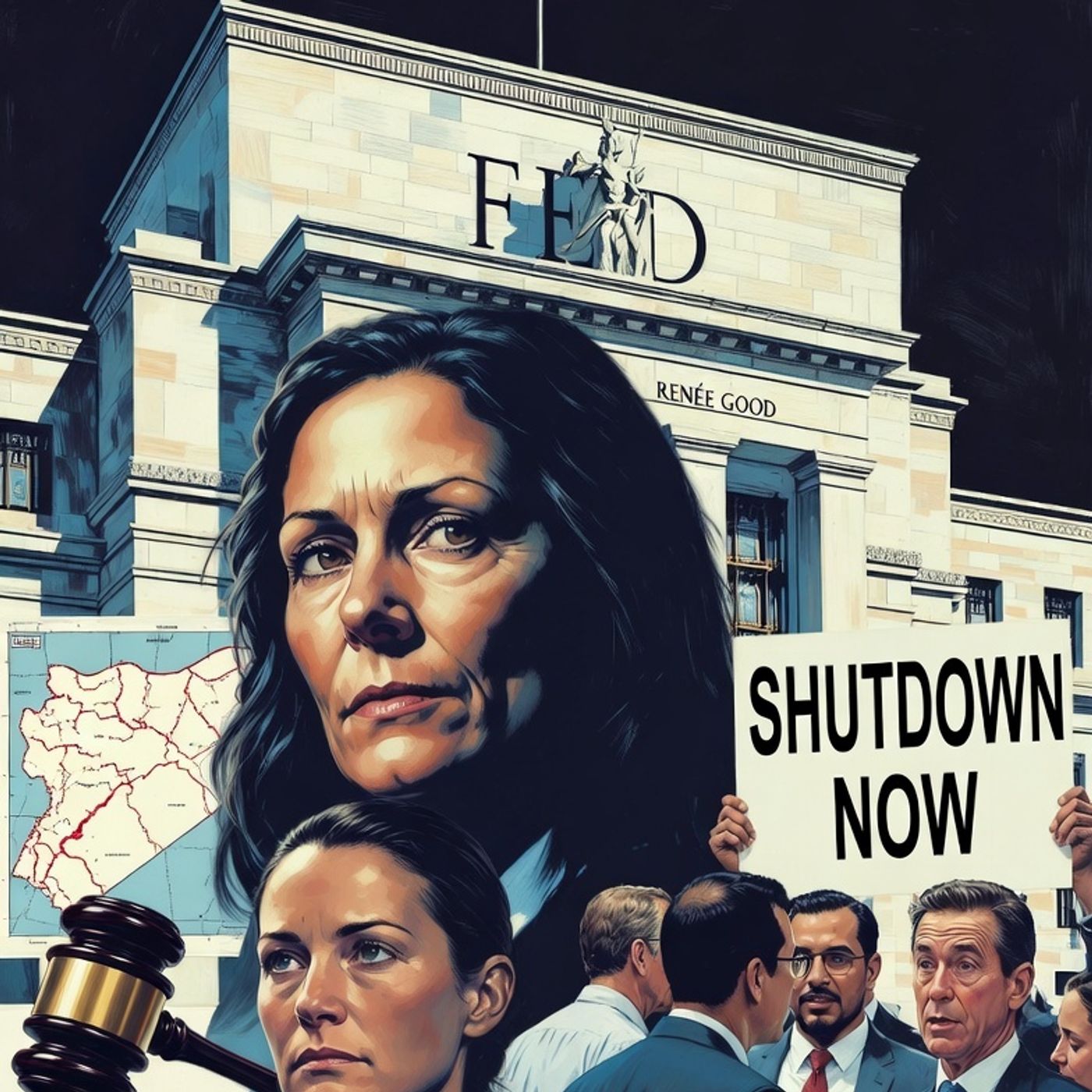
Welcome back to the blog, folks! In our latest episode of World of Payne, we delved deep into the multifaceted crisis of trust plaguing our nation, touching upon everything from the chilling Renée Good–ICE shooting to the ever-looming threat of government shutdowns and the complex web of international policy. While we explored several critical flashpoints, one theme resonated with particular urgency throughout our discussion: the profound impact of the current economic squeeze on individuals and its insidious connection to our broader crisis of faith in our institutions. In this post, we're going to unpack that economic pressure cooker, focusing specifically on how escalating price sensitivity and the ever-increasing cost burdens we all face are actively fueling a crisis of trust. It's a complex interplay, where the tangible struggles of making ends meet directly erode our confidence in the systems that are supposed to ensure our financial stability. This isn't just about abstract economic indicators; it's about the very real anxieties that keep people up at night, and how those anxieties are reshaping our perception of government, markets, and the future itself. As we discussed in our related episode, The Trust Crisis: Renée Good, ICE, Syria Strikes, Shutdown Deadline, Tariffs, and the Economy, the erosion of trust is a systemic issue, and the economic pressures we're experiencing are a significant, and often overlooked, contributor to this dangerous trend.
Understanding the Economic Squeeze: Price Sensitivity and Cost Burdens
Let's start by defining what we mean by the "economic squeeze." It's a term that encapsulates the feeling of being financially constrained, of having less disposable income and facing a relentless increase in the cost of essential goods and services. At the heart of this squeeze lies heightened price sensitivity. Simply put, consumers are becoming acutely aware of every dollar spent. A few years ago, a small increase in the price of groceries or gasoline might have been absorbed with a shrug. Today, however, with inflation having taken a significant bite out of purchasing power, even minor price hikes can trigger serious reconsideration of purchasing decisions. We're seeing consumers actively seeking out sales, switching to cheaper brands, cutting back on non-essential purchases, and delaying significant expenditures like home repairs or new appliances. This isn't just about being frugal; it's about necessity.
The cost burdens are multi-faceted and deeply impactful. For many, the most immediate concern is the rising cost of food. Every trip to the grocery store becomes a stark reminder of how much more expensive staples have become. Beyond food, housing costs continue to be a major pressure point. Rent increases, mortgage rate hikes, and property taxes are stretching household budgets to their breaking point. Transportation is another significant area of concern, with fuel prices remaining volatile and impacting not only the cost of commuting but also the price of virtually every good that needs to be transported. Healthcare expenses, often unpredictable and substantial, continue to be a source of anxiety for millions. Even seemingly smaller expenses, like utility bills, have seen substantial increases, adding to the overall financial strain. This pervasive increase in the cost of living leaves individuals with less money for savings, less money for unexpected emergencies, and ultimately, less peace of mind.
Furthermore, this economic squeeze is not felt equally. Low-income households, who already spend a larger proportion of their income on essentials, are disproportionately affected. For them, a slight increase in the price of bread or milk can mean foregoing other necessities or going without. Even middle-class families are feeling the pinch, finding it harder to save for retirement, pay for their children's education, or simply enjoy a vacation. This widespread feeling of financial precariousness creates a constant underlying stress that permeates daily life.
The Interplay: How Economic Hardship Fuels a Crisis of Trust
Now, how does this very tangible economic hardship translate into a crisis of trust? The connection is deeply psychological and profoundly social. When individuals are struggling to make ends meet, their focus naturally shifts to the immediate and the practical. They look for explanations for their financial woes and, often, for those responsible. In a complex economic system, it's easy for individuals to feel powerless and to look towards those in positions of authority – government officials, financial institutions, and large corporations – for answers and solutions.
When these institutions are perceived as failing to address the economic struggles of ordinary citizens, trust begins to erode. If people believe that policymakers are out of touch with the realities of everyday life, or that financial institutions are prioritizing profits over the well-being of the public, their faith in these systems diminishes. The narrative that "the system is rigged" or "they don't care about us" gains traction. This is particularly true when there's a perception that certain groups are benefiting while others are struggling. For example, if corporations are reporting record profits while everyday consumers are facing soaring prices, it breeds resentment and suspicion.
Moreover, economic hardship can exacerbate existing societal divisions and fuel distrust between different groups. When resources are perceived as scarce, competition for those resources can intensify, leading to friction and blame. People may start to question the fairness of economic policies, wondering if they are designed to benefit a select few rather than the broader population. This questioning can extend to the very legitimacy of the economic system itself.
The communication strategies of governments and financial institutions also play a critical role. If explanations for economic challenges are perceived as vague, misleading, or overly technical, it can further alienate people and deepen their distrust. When citizens feel that they are not being spoken to honestly or directly about the economic realities they are facing, it breeds suspicion. In an era of rapid information flow, misinformation and conspiracy theories can thrive in the vacuum of genuine and transparent communication.
Beyond the Numbers: The Psychological Impact of Economic Instability
It's crucial to understand that the economic squeeze isn't just a matter of numbers on a balance sheet or percentages in an inflation report. It has profound psychological consequences. The constant worry about affording necessities can lead to chronic stress, anxiety, and even depression. This persistent financial strain can impact individuals' mental health, their relationships, and their overall quality of life. When people are perpetually worried about their financial security, it's difficult to plan for the future, to pursue personal goals, or even to experience joy in the present moment.
This psychological burden can also manifest as a sense of powerlessness and disenfranchisement. When individuals feel that their efforts to manage their finances are constantly thwarted by external economic forces beyond their control, it can lead to feelings of helplessness. This sense of powerlessness can then translate into disengagement from civic life and a diminished belief in their ability to influence positive change. Why bother participating in the political process, some might ask, if the economic outcomes remain consistently unfavorable?
The erosion of optimism is another significant psychological impact. Economic instability can chip away at people's hope for a better future, both for themselves and for their children. This can lead to a more cynical outlook on life and a decreased willingness to take risks or invest in long-term endeavors. The pervasive feeling that things are only getting worse can become a self-fulfilling prophecy, discouraging the very behaviors that might lead to economic improvement.
Furthermore, the stress of economic instability can strain social bonds. When people are struggling financially, they may have less time and energy for social activities, leading to isolation. They may also become more irritable and less patient with others, impacting their personal relationships. In extreme cases, financial stress can contribute to marital problems and family disputes. The interconnectedness of economic well-being and mental well-being cannot be overstated.
Connecting the Dots: Economic Anxiety and Broader Systemic Distrust
The economic anxieties we're discussing don't exist in a vacuum. They are deeply intertwined with the broader crisis of trust that we explored in our related episode. When people feel that the economic system is not working for them, it's natural for them to question other systems as well. If they believe that the government isn't effectively managing the economy, they may also question its competence in other areas, such as national security, healthcare, or education. The perceived failures in one domain can cast a shadow of doubt over all institutions.
This spillover effect is particularly potent when there's a perception of hypocrisy or a disconnect between stated values and actual outcomes. For instance, if political leaders speak about supporting the middle class while economic policies seem to disproportionately benefit the wealthy, it breeds cynicism and distrust. The same can be said for financial institutions that may engage in risky behavior that leads to economic downturns, only to be bailed out by taxpayers. These events create a powerful narrative of unfairness and reinforce the idea that the system is designed to protect the powerful, not the average citizen.
The "narrative temperature" in America, as we discussed on the podcast, is already high. Economic hardship acts as a significant accelerant to this already volatile situation. When people are already feeling vulnerable and anxious, any perceived injustice or failure on the part of institutions can be amplified, leading to outrage and further erosion of trust. The connection between individual economic struggles and collective disillusionment becomes increasingly apparent.
This broader systemic distrust can have serious consequences. It can lead to political polarization, decreased civic engagement, and a weakened social fabric. When people lose faith in the institutions that are supposed to provide stability and order, they may become more susceptible to extremist ideologies or to distrusting any form of authority. The economic squeeze, therefore, is not just a financial problem; it's a threat to the very foundations of a stable and functioning society.
Looking Ahead: Rebuilding Trust in a Challenging Economic Landscape
The path forward requires a multi-pronged approach that addresses both the immediate economic pressures and the underlying erosion of trust. Firstly, transparency and clear communication from economic policymakers are paramount. Instead of relying on jargon-filled press releases, leaders need to explain economic challenges and proposed solutions in accessible language, acknowledging the real-world impact on individuals and families. This includes being upfront about the trade-offs involved in economic policy decisions.
Secondly, policies that demonstrably benefit a broad segment of the population are essential. This could include measures aimed at controlling inflation, supporting affordable housing, ensuring access to affordable healthcare, and creating pathways for upward economic mobility. When people see tangible improvements in their financial well-being as a direct result of policy interventions, it can begin to rebuild faith in the efficacy of these systems. This isn't about handouts; it's about creating an environment where hard work and responsible decision-making are rewarded and where a safety net exists for those who fall on hard times.
Thirdly, accountability is crucial. When financial institutions or corporations engage in practices that harm the economy or exploit consumers, there must be consequences. This demonstrates that the system is not above the law and that there are mechanisms in place to protect the public interest. Holding individuals and institutions accountable for their actions is a powerful way to restore a sense of fairness and justice.
Furthermore, fostering a sense of shared responsibility is vital. Economic stability is not solely the purview of government or financial markets. It requires the participation and cooperation of individuals, communities, and businesses. Encouraging responsible financial behavior, promoting financial literacy, and supporting local economies can all contribute to a more resilient and trustworthy economic landscape.
Finally, it's important to recognize that rebuilding trust is a long-term endeavor. It won't happen overnight. It requires consistent effort, a commitment to fairness, and a genuine understanding of the struggles faced by ordinary people. The lessons learned from the current economic squeeze and the ongoing trust crisis serve as a stark reminder of the interconnectedness of our financial well-being and our collective faith in the systems that govern us.
Conclusion: The Path Forward - Transparency, Stability, and Shared Responsibility
As we’ve explored in this post, the current economic squeeze, characterized by relentless price sensitivity and escalating cost burdens, is far more than just a set of economic indicators. It's a deeply human experience that is actively contributing to the profound crisis of trust we're witnessing across the nation. The anxieties of affording basic necessities, of stretching every dollar, and of facing an uncertain financial future erode our faith in the very institutions that are supposed to provide stability and security. These economic hardships don't exist in isolation; they amplify existing distrust and create fertile ground for cynicism and disillusionment. As we discussed in our latest episode, The Trust Crisis: Renée Good, ICE, Syria Strikes, Shutdown Deadline, Tariffs, and the Economy, this erosion of trust is a dangerous phenomenon that touches every aspect of our society. Rebuilding this trust, particularly in the face of ongoing economic challenges, demands a renewed commitment to transparency, a focus on policies that foster genuine economic stability for all, and a shared sense of responsibility. The path forward requires us to connect the dots between our personal financial struggles and the broader systemic issues, recognizing that a more stable and trustworthy future depends on addressing both. Thank you for joining us on the blog, and we look forward to continuing this vital conversation on World of Payne.

Governing by Crisis: The Shutdown Deadline and the Erosion of Trust